
The Wild Walks project hosted a series of guided walks from Bevendean Community Garden to; Kingson, Ovingdean, Castle Hill Nature Reserve and Moulscoomb. During these walks we walked through the South Downs National Park, a landscape shaped by the distinctive geology of chalk, and its associated ecosystems.
Landscape
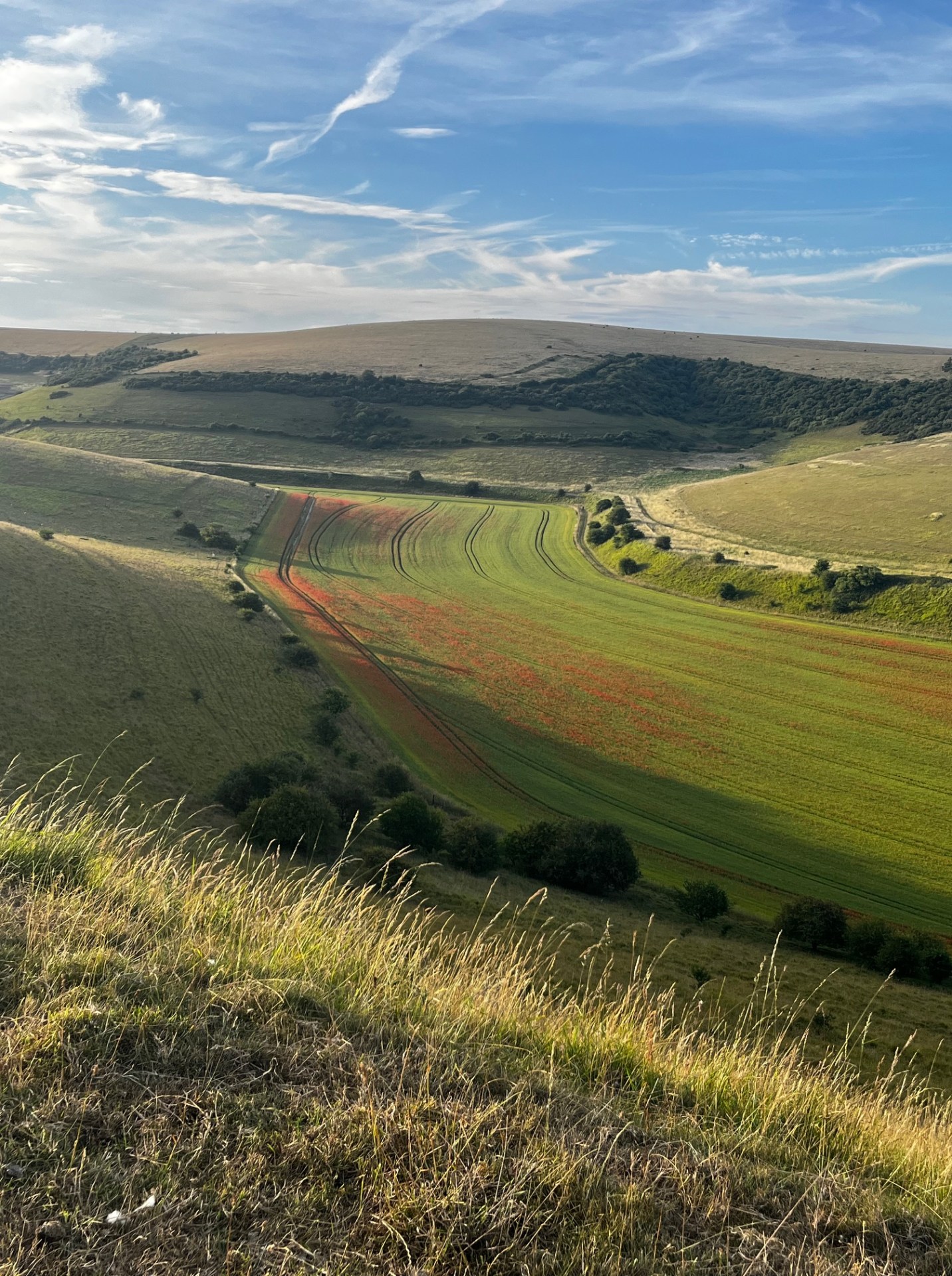
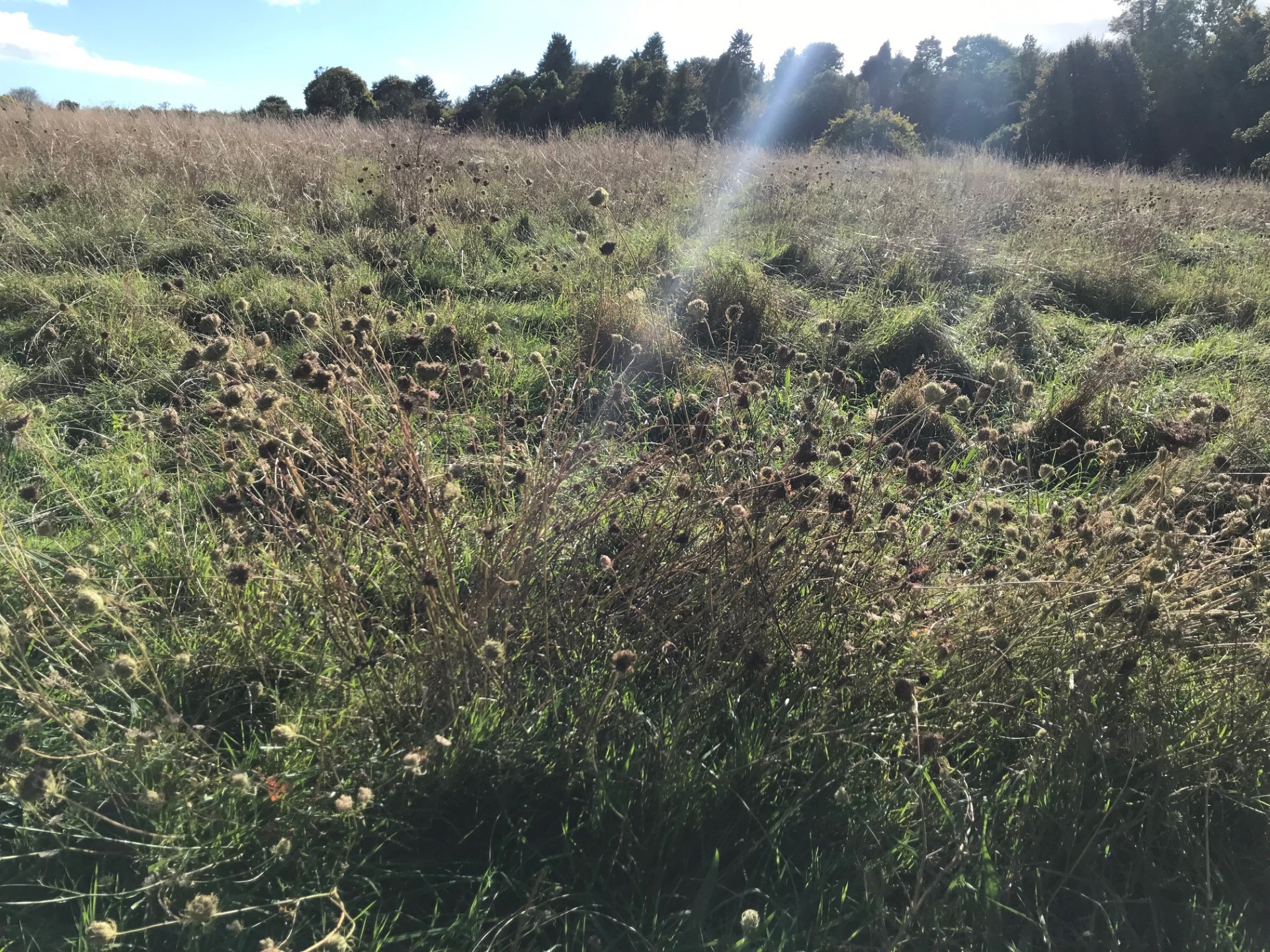
This area is characterised by rolling chalk hills. The landscape includes prominent downland ridges, such as Firle Beacon, which mark the highest elevations of the South Downs. The soft, permeable chalk of the region facilitates well-drained, nutrient-poor soils, supporting unique habitats such as chalk grasslands and woodlands.
Although the area is primarily inland, its proximity to the English Channel influences the climate and biodiversity.
History
The historical significance of the area surrounding Lewes and Ovingdean is profound, shaped by human activity over millennia.
- Prehistoric and Roman Periods: Archaeological evidence suggests that the region was occupied during the Neolithic and Bronze Ages, with hill forts such as Mount Caburn, near Lewes, providing strategic military and ceremonial sites. These settlements, often located atop ridgelines, offered panoramic views and control over vital river routes. Additionally, Roman influence is visible in the archaeological remains of settlements, roads, and burial sites.
- Medieval Significance: During the medieval period, Lewes emerged as a pivotal settlement in the Kingdom of Sussex, and later, under Norman rule, it became a prominent centre of governance. The construction of Lewes Castle in the 11th century exemplifies this Norman influence.
- Agriculture and Industry: Over the centuries, the region was largely rural, with agriculture and sheep farming being integral to the local economy. The chalky soils of the South Downs supported these industries, particularly through flint mining and later brickworks in the more industrialised periods.
Wildlife
This area of the South Downs National Park includes a diverse range of habitats, including chalk grasslands, woodlands, heathland, and coastal cliffs.
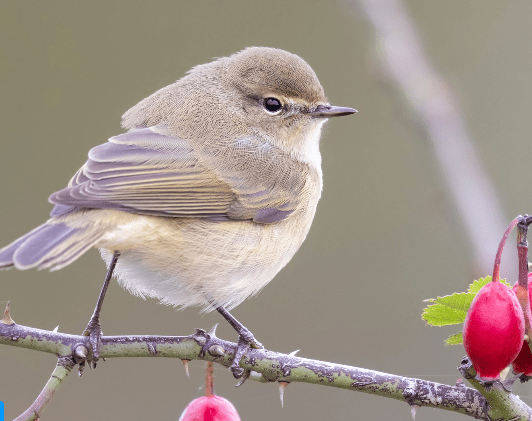
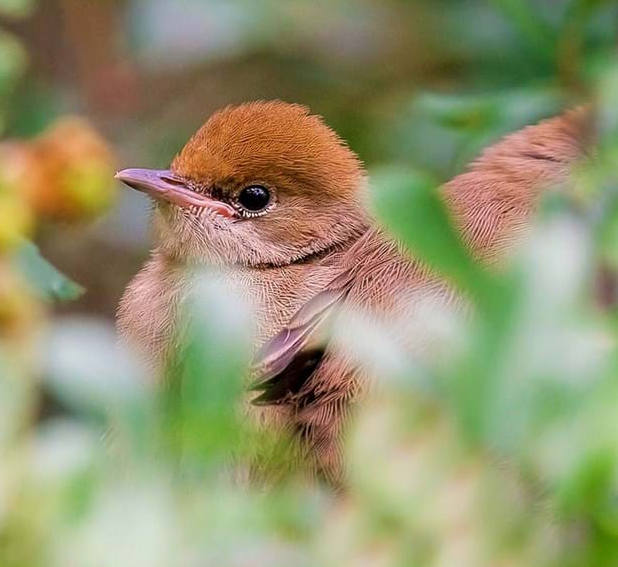
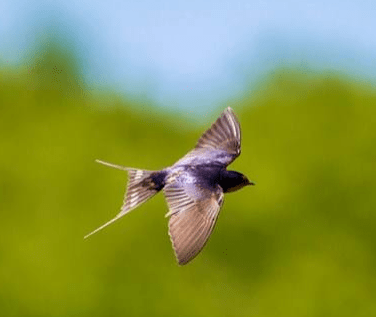
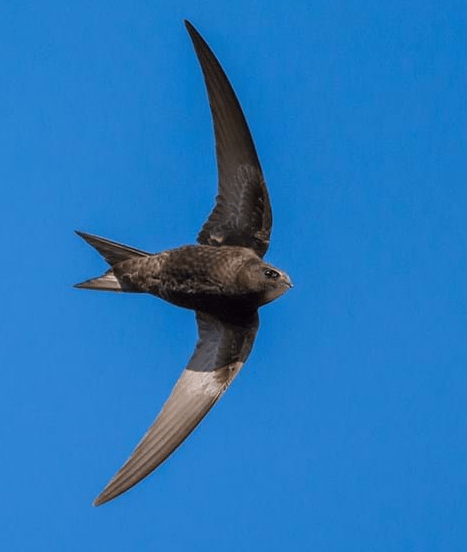
- The region is notable for its significant populations of birds, many of which thrive in the chalk grasslands. Buzzards, kestrels, and sparrowhawks are frequently observed hunting over the open downs. In the spring and summer, the Downs are home to skylarks, yellowhammers, and lapwings. The coastal cliffs near Ovingdean also attract seabirds, and migratory species are commonly seen passing through the region during the autumn and spring.
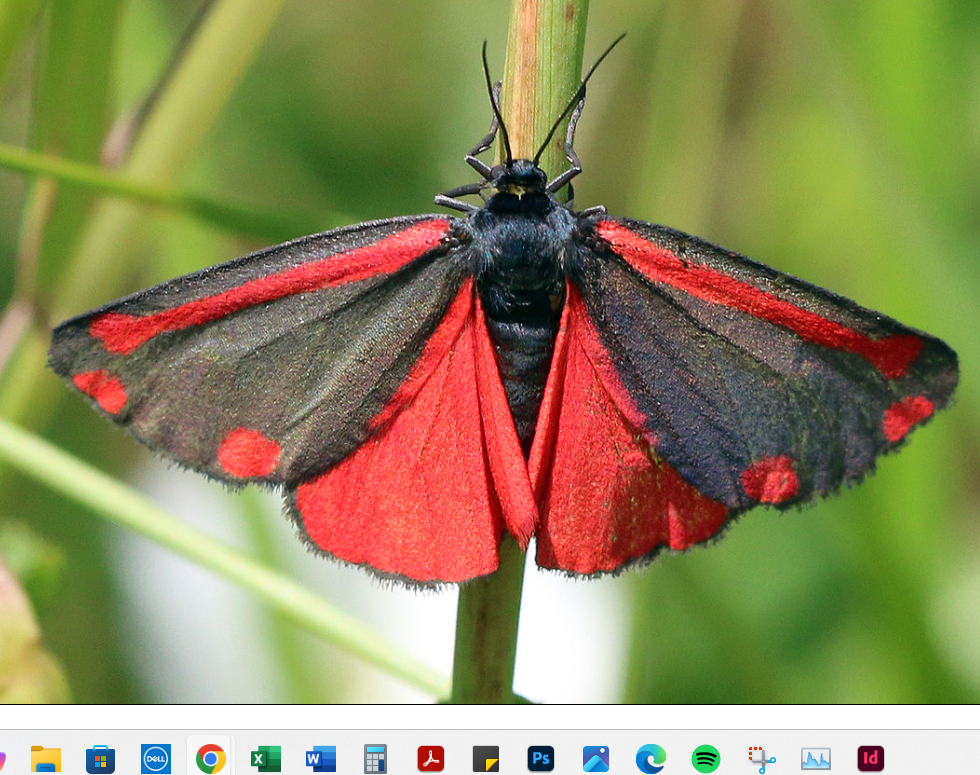
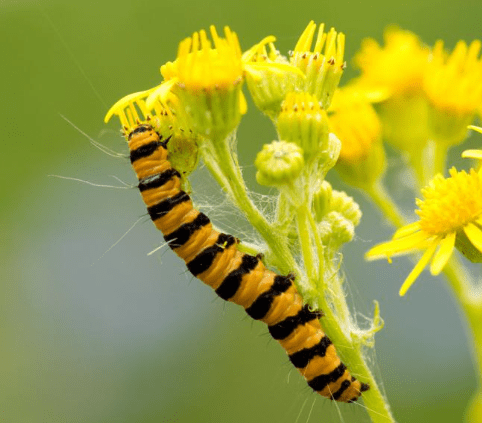
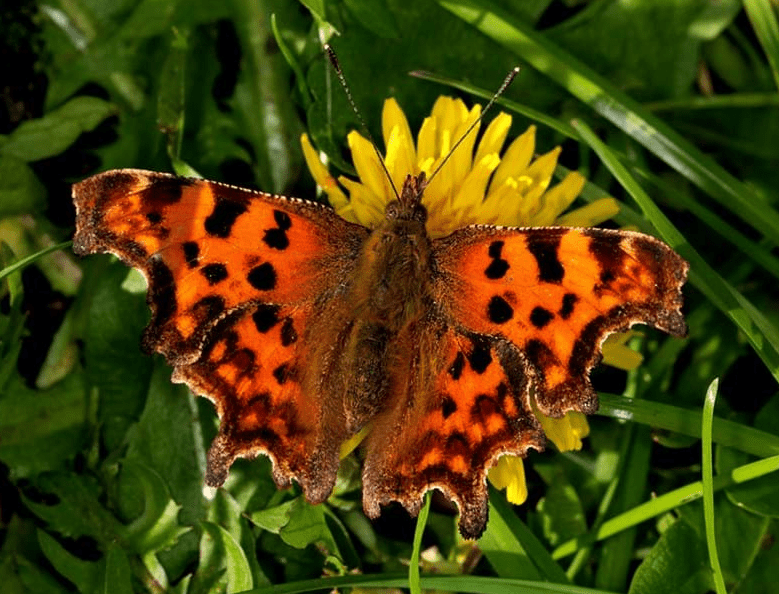
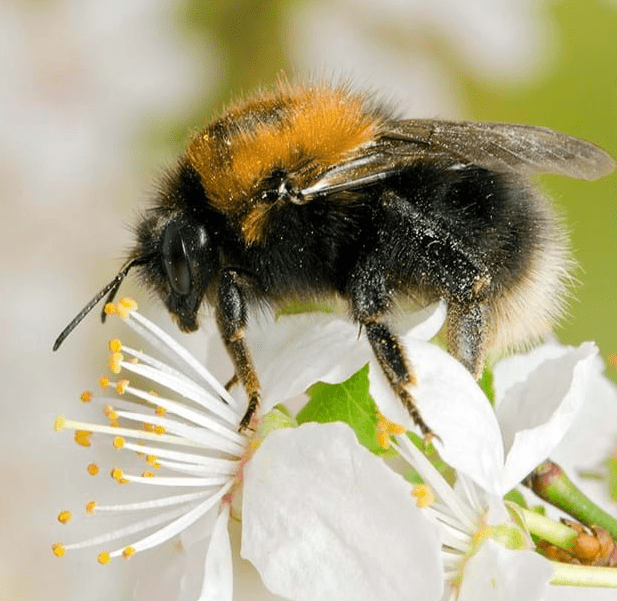
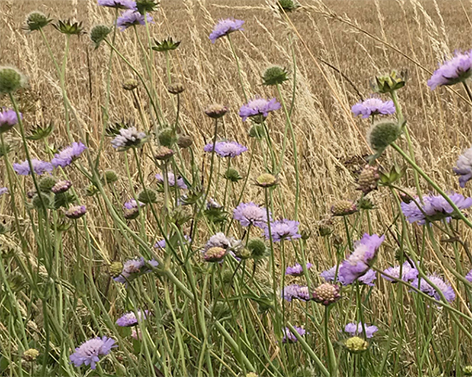
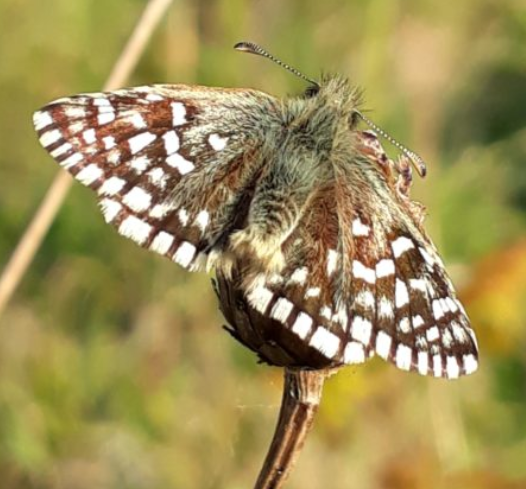
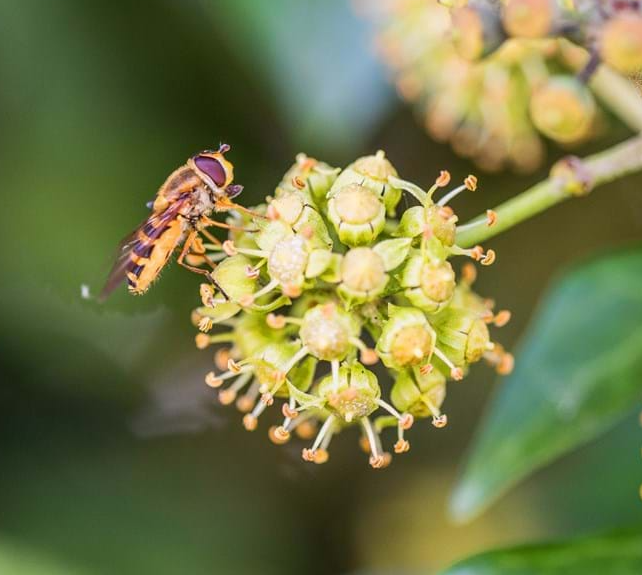
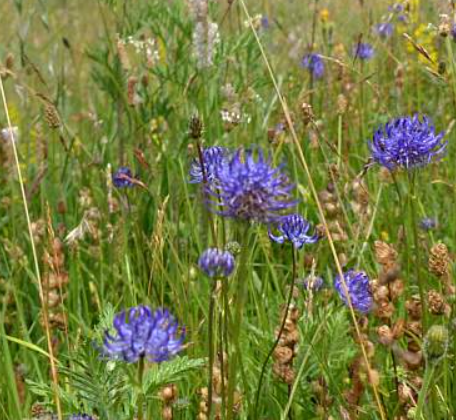
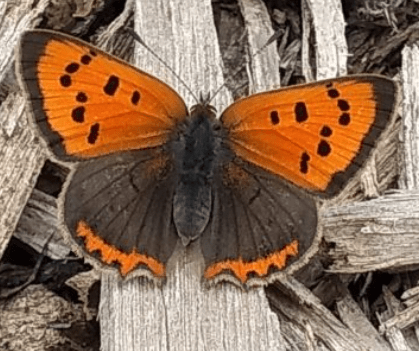
- The chalk grasslands around Lewes are renowned for their butterfly populations, particularly species such as the Adonis blue, chalkhill blue, and the marbled white. These areas are rich in wildflowers such as horseshoe vetch and wild thyme, supporting a range of pollinators, including various bees, moths, and dragonflies.
- The region is home to a variety of mammals, including red foxes, badgers, and rabbits. The deer population, particularly fallow and roe deer, is also present in the woodlands and heathlands. Additionally, hedgehogs, moles, and smaller rodents inhabit the undergrowth and grasslands.
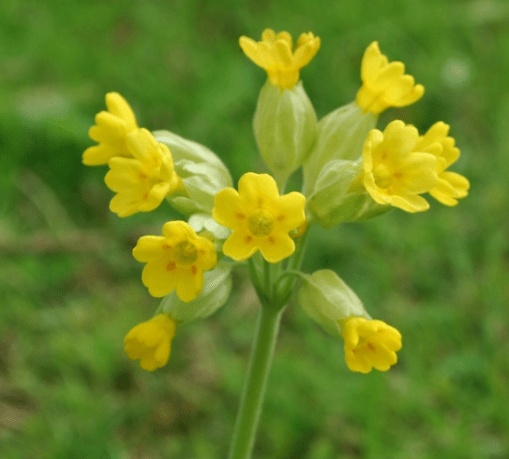
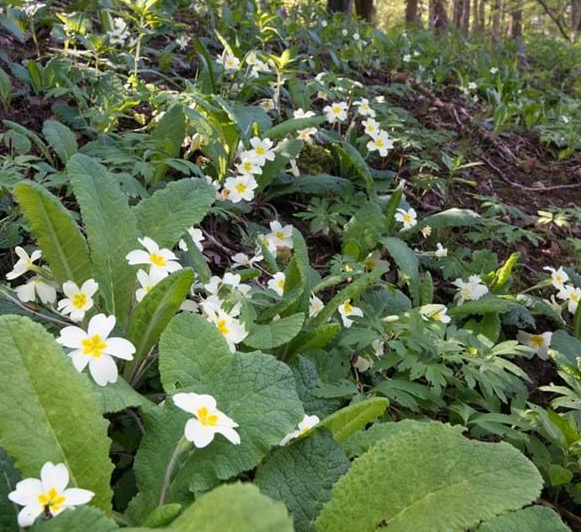
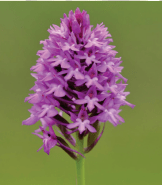
- Floral Diversity: The chalk soil supports a number of distinctive plant species, including fritillaries, orchids, and heather, particularly in the heathland areas. Woodland areas, arerich in bluebells in the spring.
- Marine Life: The marine environment off the coast is also ecologically significant, supporting a variety of marine mammals, including seals, as well as dolphins and occasionally whales, particularly during migratory periods.
Wild Walks is a project supported by the National Trust and the Changing Chalk Community Grants Scheme, and funded by The National Lottery Heritage Fund, with thanks to National Lottery Players. Find more information herehttps://www.nationaltrust.org.uk/visit/sussex/changing-chalk-community-grants-scheme
Our funding for walks this year has ended, but we hope to be running more walks soon. If you are interested in joining future local nature events and finding out about more Wild Walks, please subscribe to the mailing list or follow our Facebook page.
 Inspired by Nature