
- 19th April – 26th April
- 13th April – 18th April
- 6th April – 12th April
- March 31st – April 5th
- 25th March – 30th March
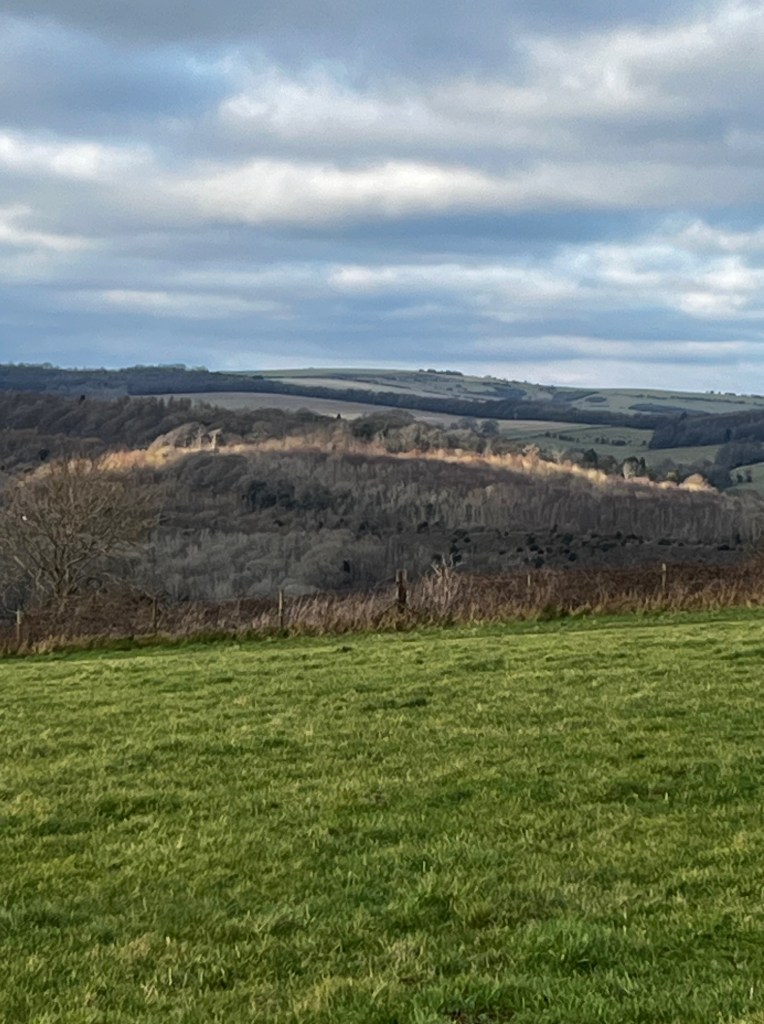
31st January: Winter Landscape.
Looking over to Stanmer woods, the grass looks lush while the woods look bare.
Grass survives in winter as it enters a dormant state, similar to when other animals hibernate. Here, it requires very little to survive, which is why it is able to keep itself alive during the colder months.
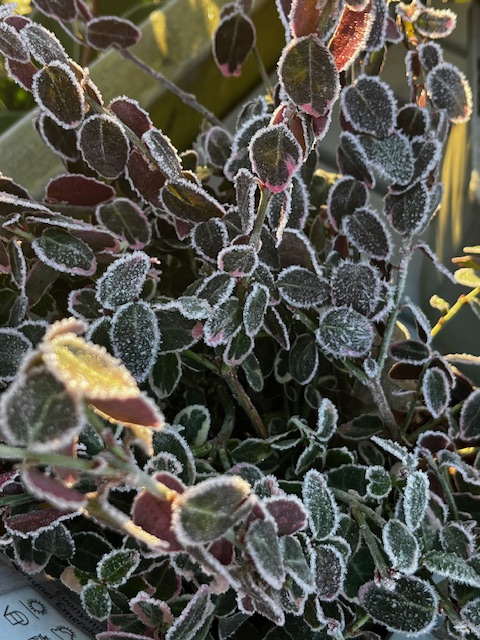
1st February: Euonymus fortunei ‘Emerald Gaiety’
One way plants protect themselves from frost damage is allow their cell contents to ‘superfreeze’ where the cell contents remain liquid even though below freezing point. To do this plants have to experience several days of cold weather before the freeze.
2nd February: Low Strong winter Sunshine on Imbolc.
Imbolc is a pagan holiday celebrated from February 1 through sundown February 2. Based on a Celtic tradition, Imbolc was meant to mark the halfway point between the winter solstice and the spring equinox in Neolithic Ireland and Scotland.
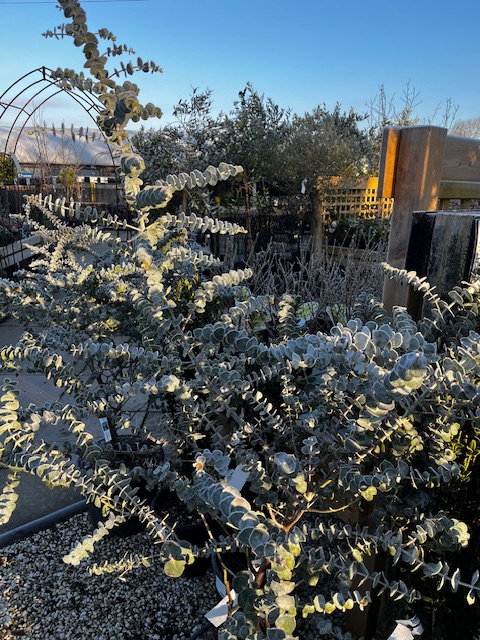
3rd February: Eucalyptus in the frost.
Australian indigenous populations had many uses for eucalyptus trees. They used the wood and bark to make tools, spears, shields and musical instruments. Leaves of certain species were soaked in water to make a healing tea.
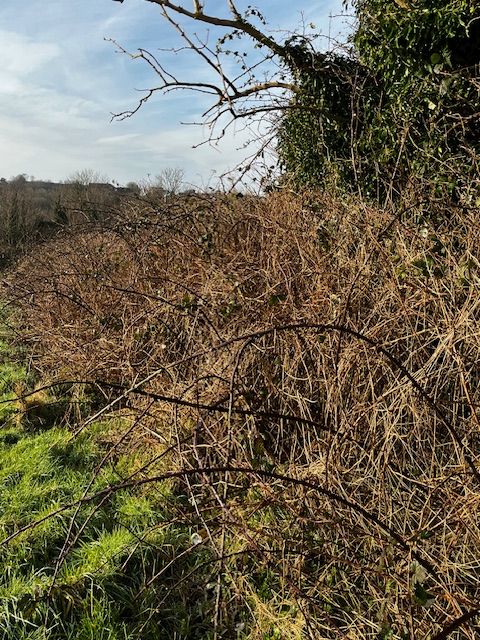
4th February: Bare Blackberry branches.
Blackberries have the highest antioxidant content per serving of any food. Blackberries are not true berries. Blackberries grow wild all over the world, on every continent except Australia and Antarctica.
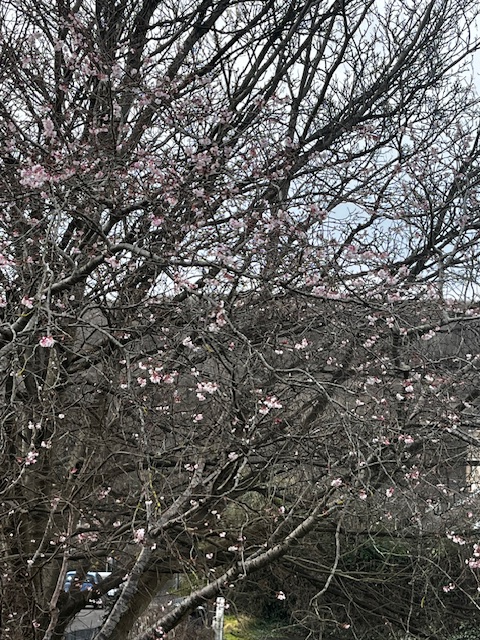
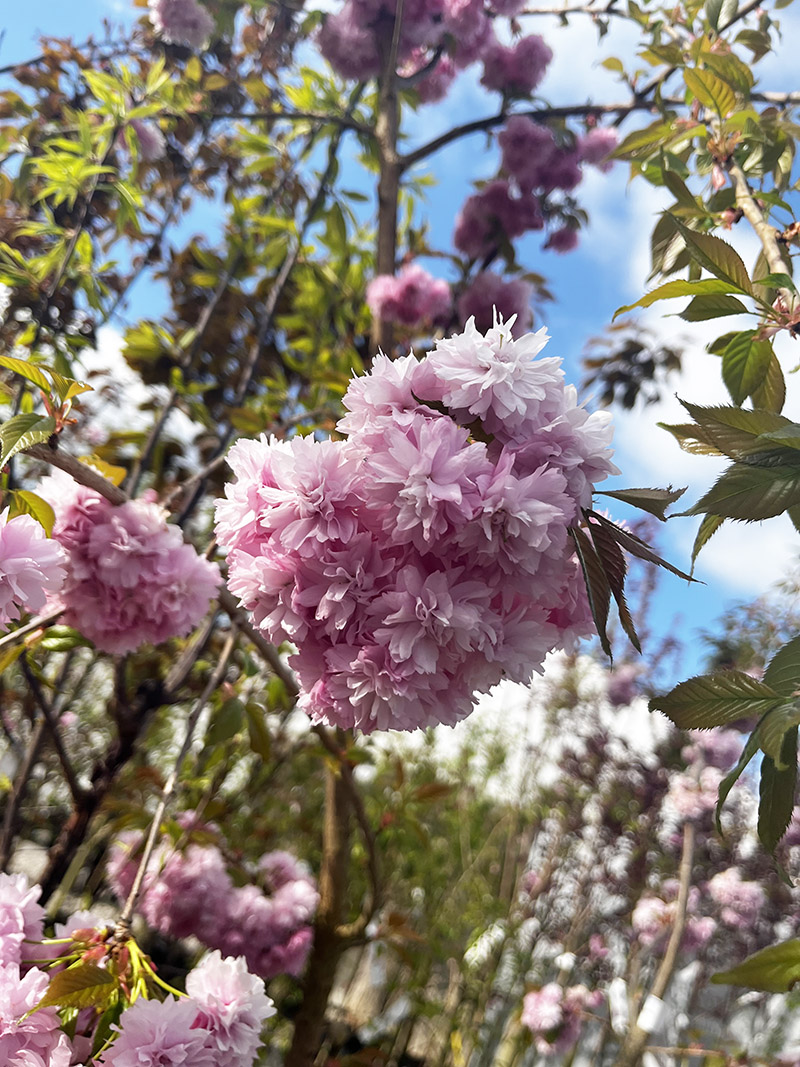
5th February: Cherry Blossom.
Tiny flowers of emerging cherry blossom. The bark of Cherry Blossom trees has horizontal lines called “Lenticels”.
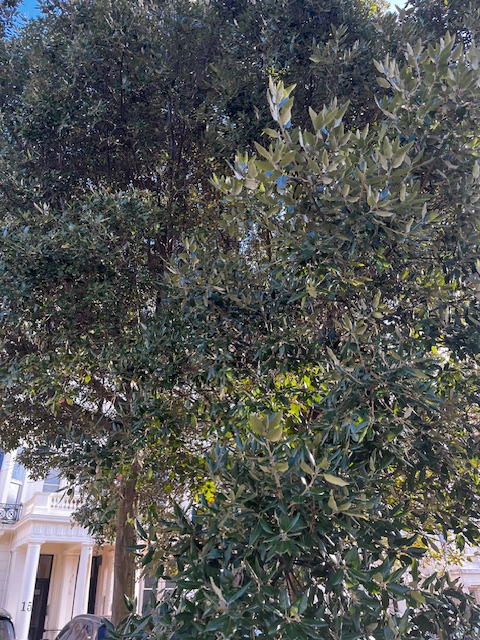
6th February: Eucalyptus tree looking tropical in winter sunshine.
Oil from the leaves of eucalyptus trees is used all over the world for its antiseptic qualities. It’s also used to help clear congestion and colds, and appears in some topical creams for arthritis and insect repellents.
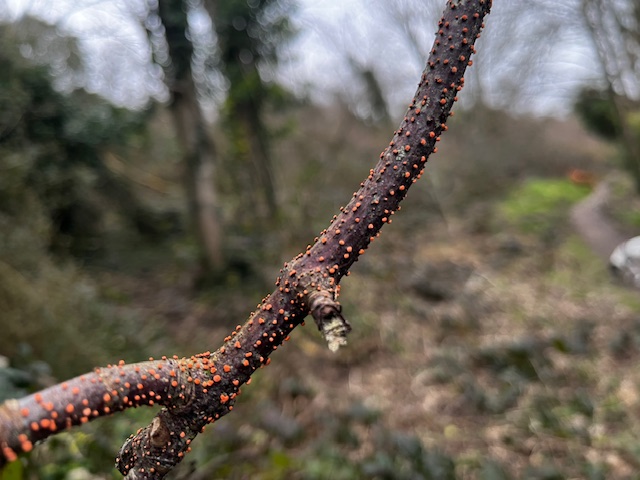
7th February: Coral spot
Bright beautiful orange spots on a grey February morning. However Coral spot is a fungal disease of woody plants causing branches to die back. Small orange or coral-pink raised spots (pustules) form after the branch dies. The presence of coral spot often indicates that the plant has been weakened by other factors.


 Inspired by Nature